Why one team design and build leads to better workplace outcomes
When workplace design and construction sit in separate silos, good ideas often meet cold reality late. Details get value-engineered without anyone seeing the knock-on for how people work. A single team accountable for both design and delivery does not remove trade-offs — it makes them visible earlier, when you still have room to choose.
This article explains why an integrated design and build route often produces clearer outcomes for office fit out projects — especially where technology, acoustics, and programme pressure matter.
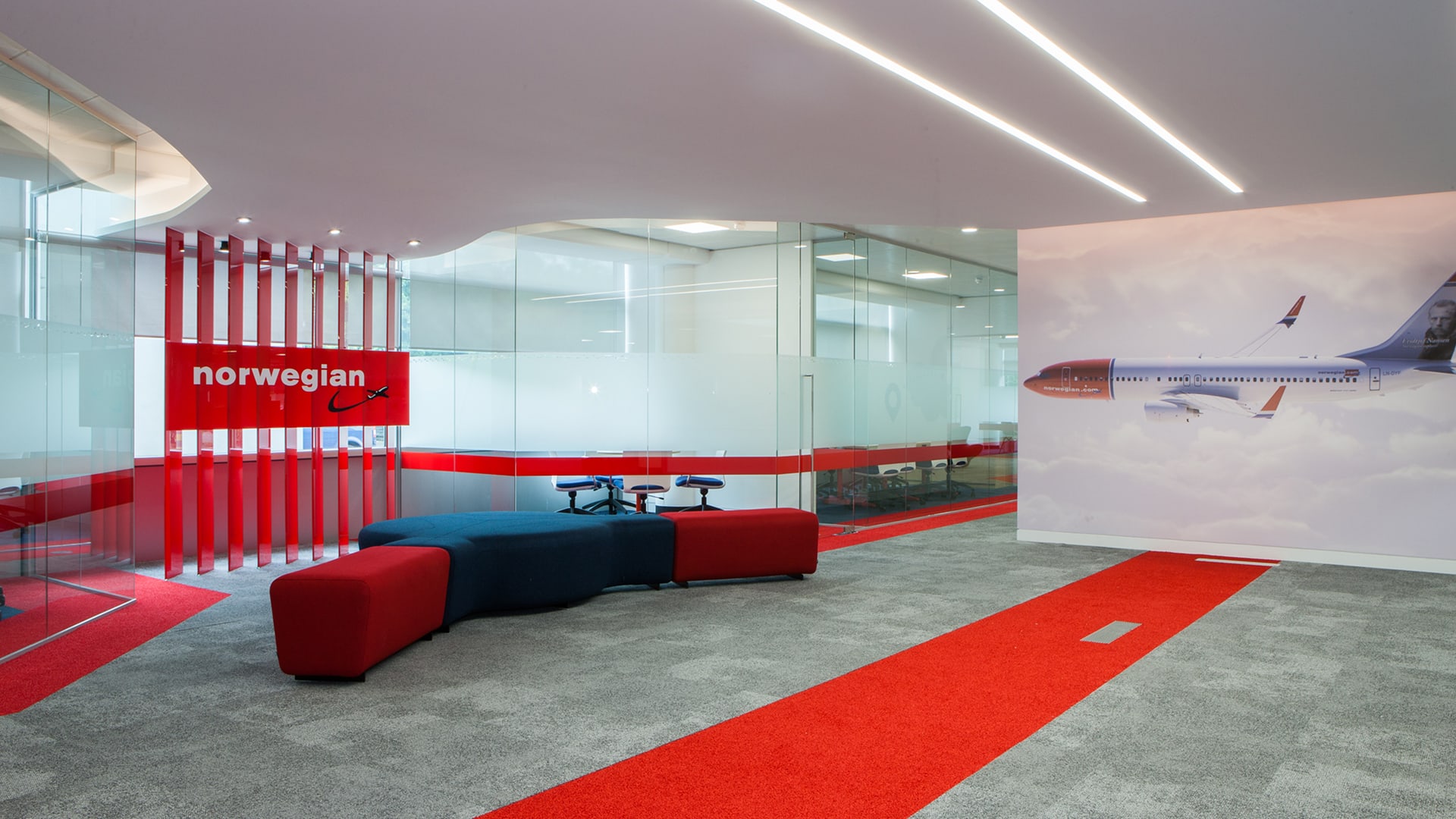
One thread from intent to installation
The same organisation that interprets your brief is answerable for how it is built. That does not guarantee perfection; it reduces the gap between what was drawn and what was installed — because there is no incentive to pass problems down the chain.
Faster, more informed decisions
When technical and commercial knowledge sit together, answers come as a package: what it does, what it costs, what it does to the programme. You spend less time mediating between parties who have never shared a site.
Buildability baked into design
Details that look effortless on screen can be expensive or fragile on site. Design and build teams challenge details early against procurement, tolerances, and sequencing — so fewer “beautiful” ideas collapse under constructability review at the last minute.
When a different route might still make sense
Some clients need independent design advocacy or have procurement rules that favour separated appointments. The right model depends on governance and risk appetite — not fashion. If design and build fits your need for speed and accountability, it is worth shortlisting seriously.
Fewer handoffs mean fewer places for intent to get lost.