What to Consider Before Leasing a New Office
A lease is signed long before a fit out contractor gets involved, but decisions made at that stage shape the fit out significantly. It’s worth involving a fit out perspective earlier than most businesses do.
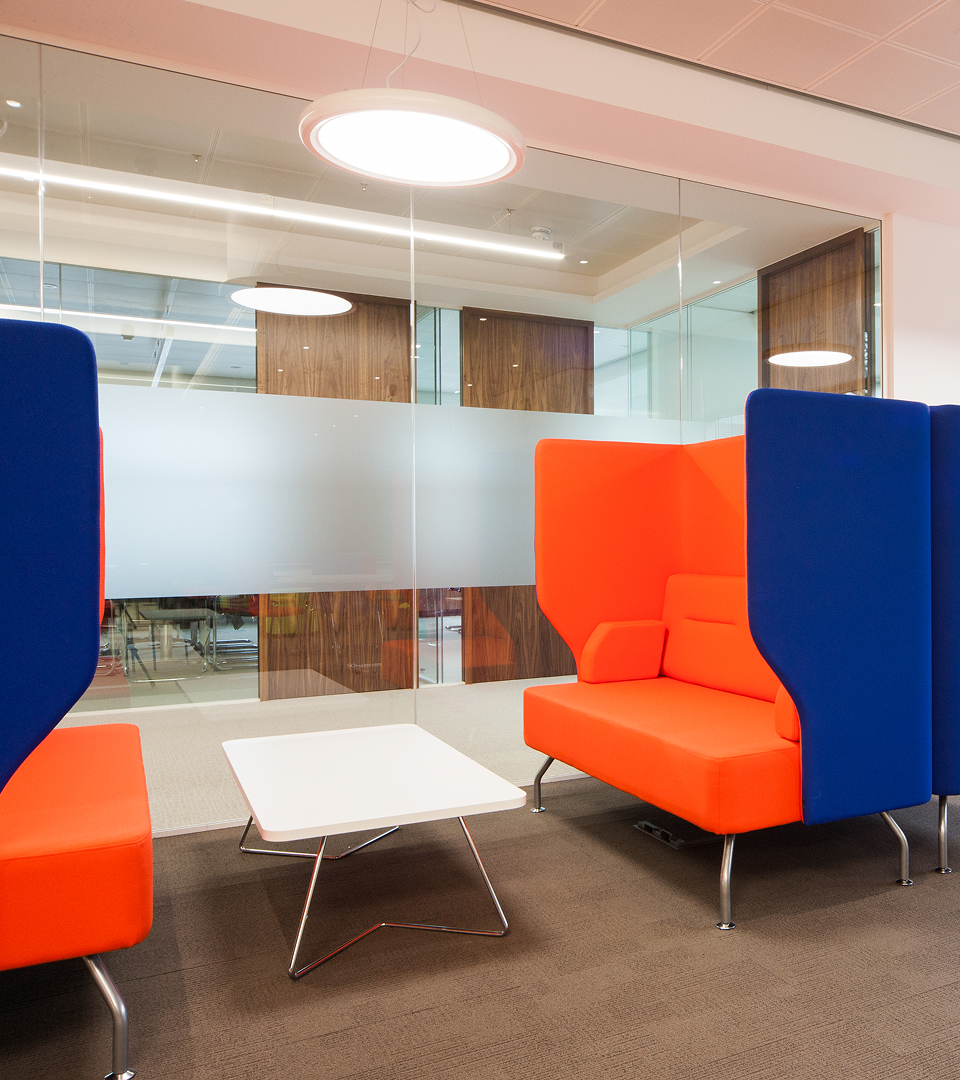
Space and headcount, not just square footage
The right amount of space depends on desk ratios, meeting room needs and hybrid working patterns, not a generic sq ft-per-person rule of thumb. Get this modelled properly before committing to a floor area, since it’s expensive to discover you’ve under- or over-leased once a fit out is underway.
Lease terms that affect fit out
Check the licence to alter process (how landlord approval for fit out works), any restrictions on what can be changed, and dilapidations obligations at the end of the term. These terms directly affect what’s practical and cost-effective to do during your fit out.
Location and commute reality
Beyond the obvious, consider genuine commute times for your actual team (not just proximity to a tube map), and nearby amenities that matter for a hybrid working pattern — decent lunch options and transport links tend to matter more day to day than a prestigious address.
What the landlord will and won't provide
Understand exactly what condition the space is delivered in — Cat A, Cat A+, or shell and core — since this materially changes your fit out scope and budget. Don’t assume; get it confirmed in writing as part of the lease negotiation.