What is a Cat B office fit out?
Cat B is the part of an office project that turns a generic lettable floor into your workplace. If Cat A is the landlord’s shell, Cat B is where headcount, culture, brand, and ways of working become physical: rooms, routes, acoustics, technology, and the details people feel every day.
This page explains what typically sits in a Cat B package, why cost varies so much between organisations, and how to think about phasing if you cannot do everything at once.
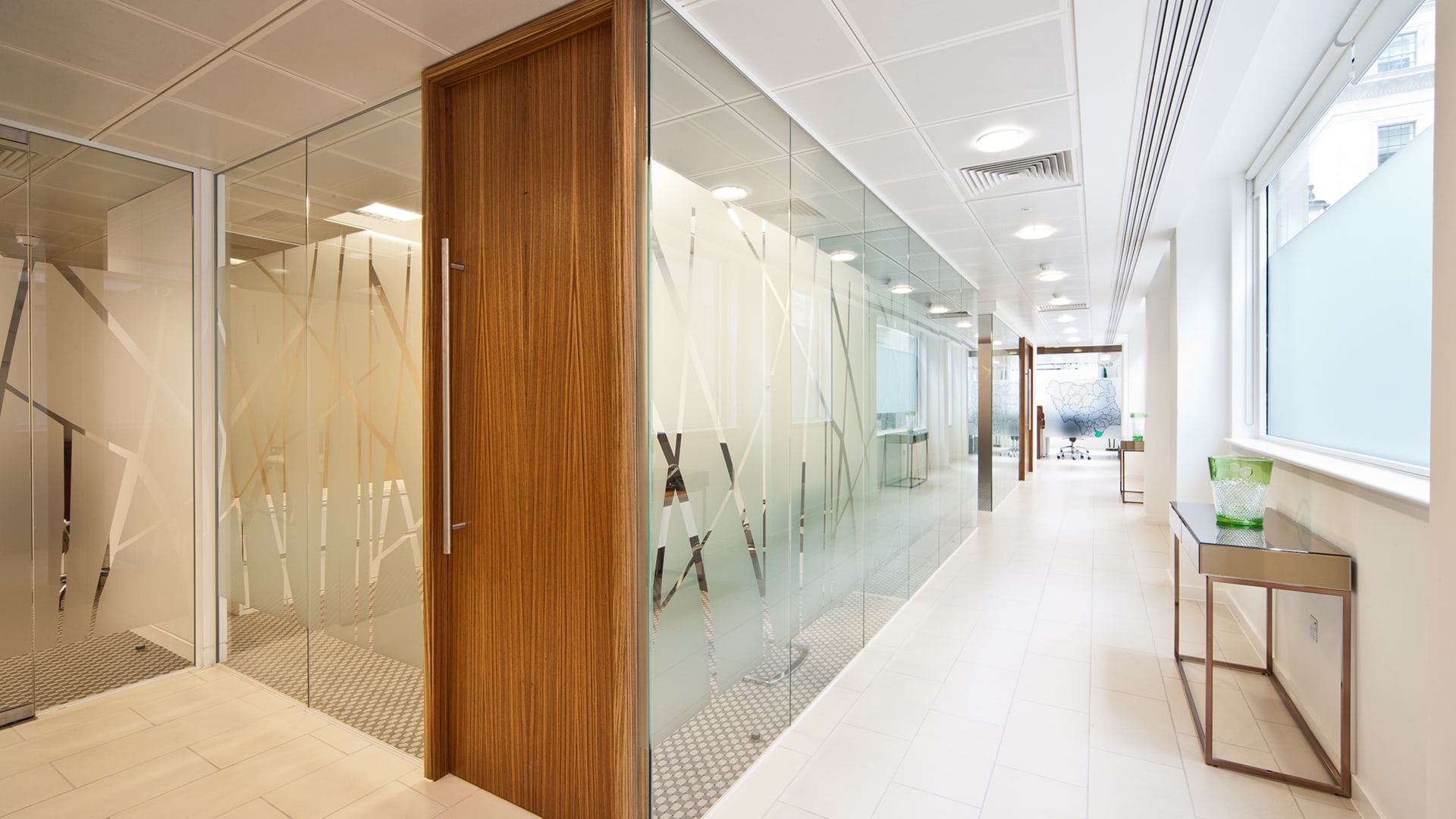
What a Cat B fit out usually covers
Exact packages differ by building and brief, but Cat B commonly includes:
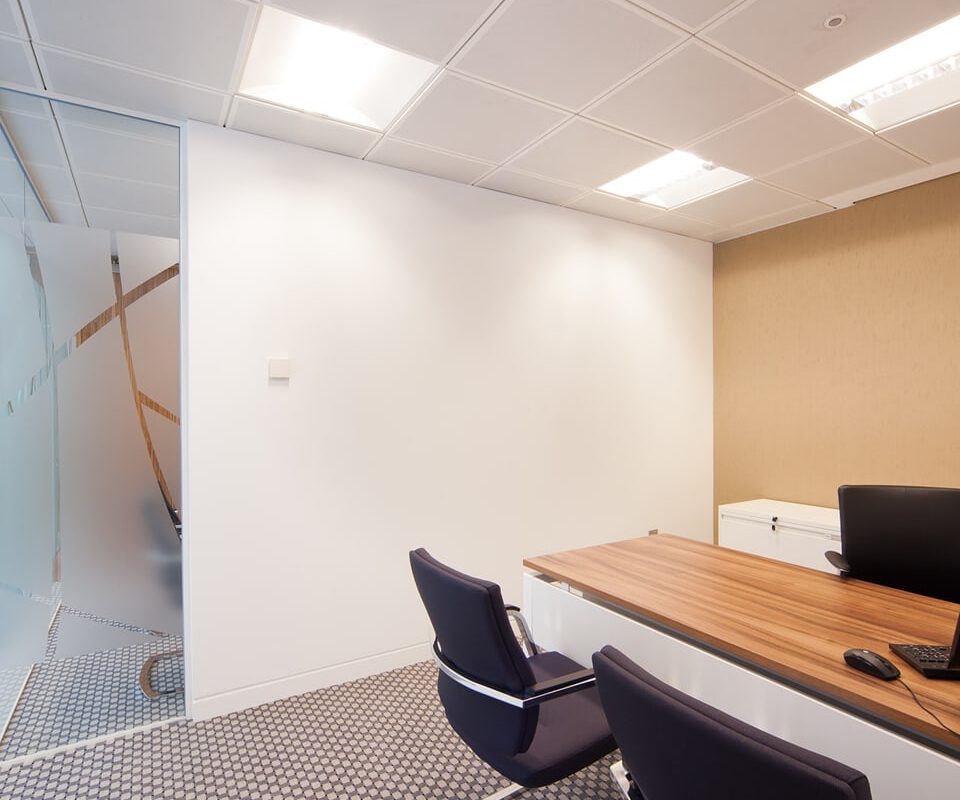
- Space planning and layout — neighbourhoods, meeting stock, focus space, circulation
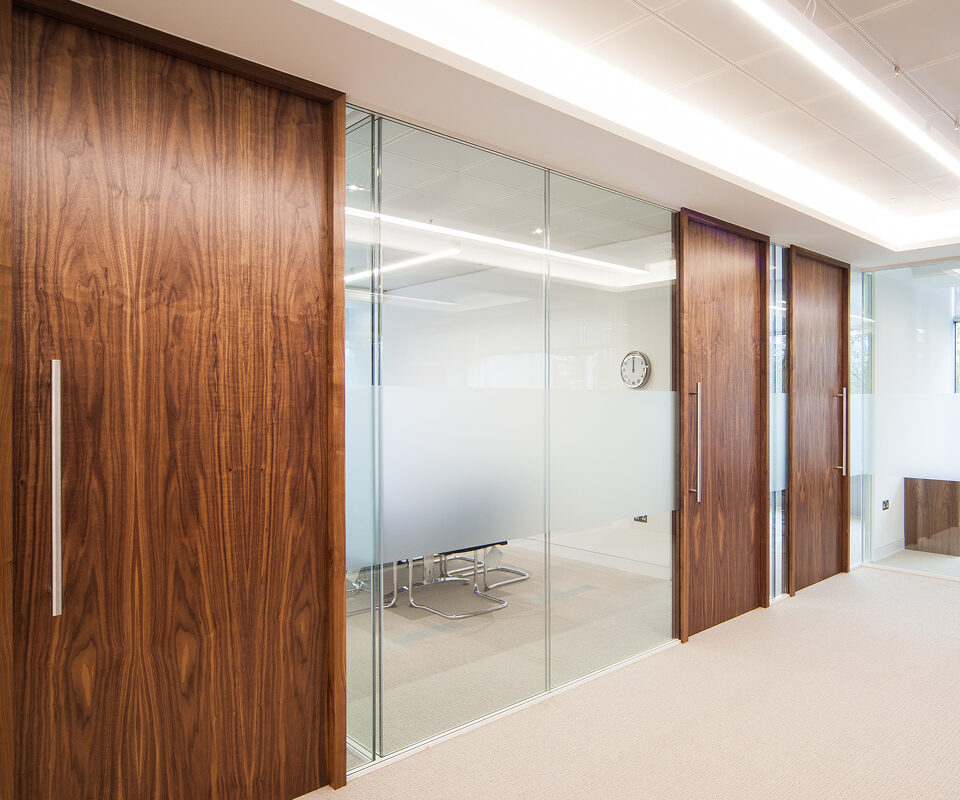
- Partitions and doors — acoustic performance to match room use
- M&E to the layout — small power, lighting design, often data containment to workpoints
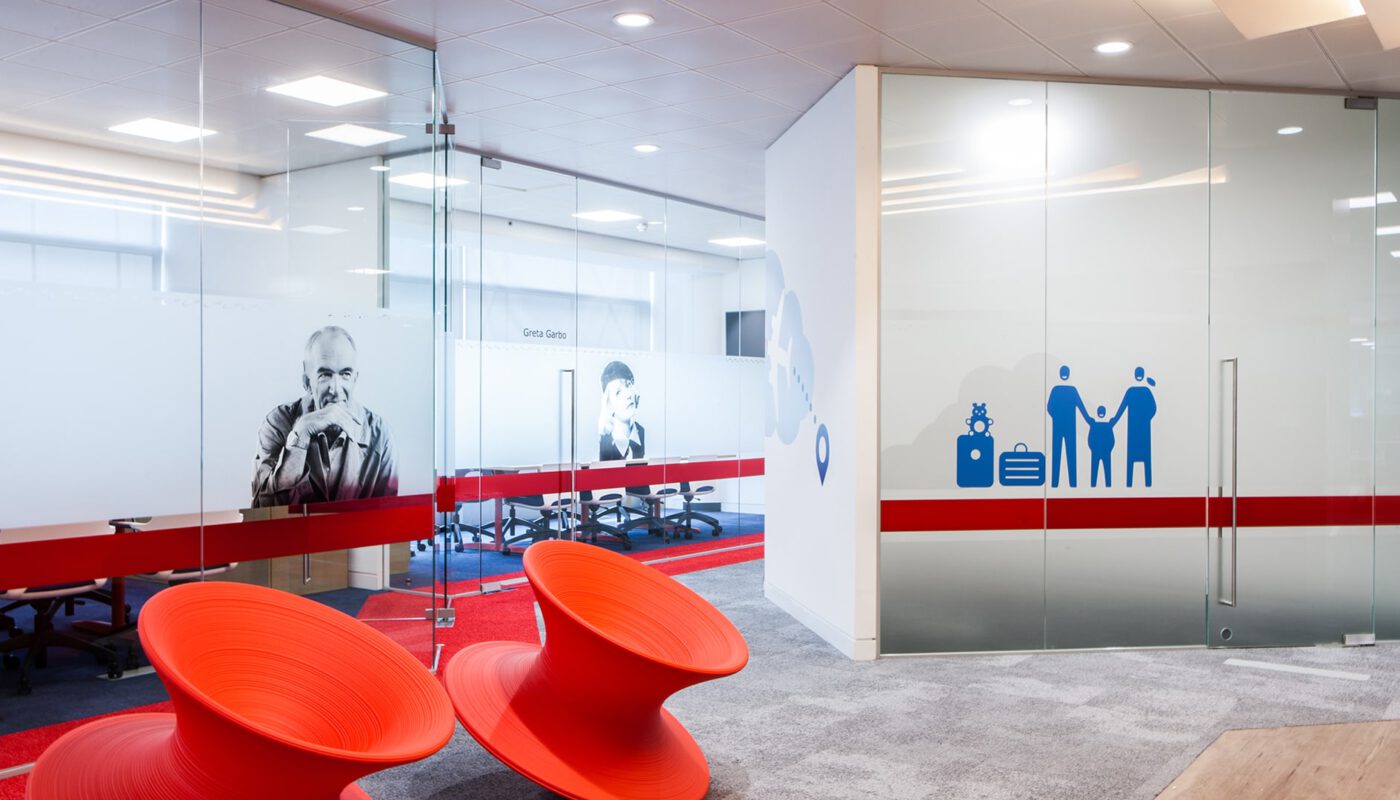
- Finishes — floors, ceilings, feature elements, wayfinding
- Workplace amenities — kitchen or servery spaces to the required standard
- Furniture and storage — sometimes direct purchase, sometimes via the contractor
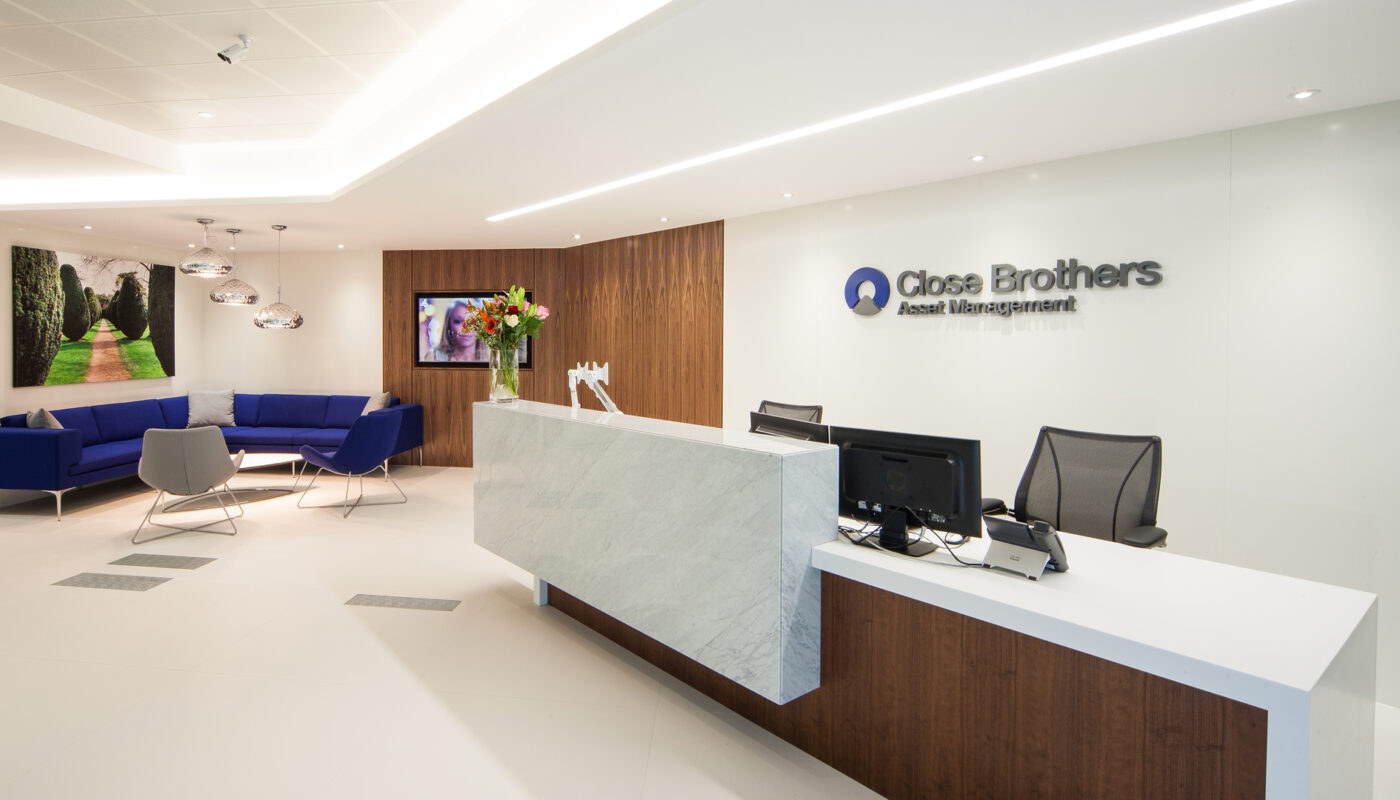
- Branding and signage — reception, client areas, internal graphics where required
IT, AV, and security integration often sit in a linked programme even if procured separately.
How Cat B differs from Cat A in practice
Cat A delivers a compliant baseline — often open plan with core services. Cat B answers the question: how will this business actually work here? That is why two tenants on identical floor plates can spend very different amounts: enclosure ratio, technology load, furniture strategy, and brand ambition all diverge.
Why Cat B is the most variable part of the budget
Cost moves with the number of enclosed rooms, the acoustic targets, the quality of joinery and materials, the extent of M&E modification, and the level of bespoke design. Hybrid working has also shifted how much collaboration vs focus space organisations need — which changes zoning and services before a single finish is chosen.
Good early briefing aligns those choices with a tested cost plan, rather than hoping value engineering will fix a mismatch later.
Cat B and dilapidations: plan for the end of the lease
What you install at Cat B may affect what you must reinstate or make good when you leave. Understanding landlord requirements up front avoids designing yourself into an expensive exit. Your fit out partner should read the lease schedule alongside the technical design, not after it.