What is a Cat A office fit out?
Cat A describes a level of finish that makes a floor lettable — a compliant shell that a tenant can adapt, but not usually a workplace tailored to a specific business. Exact packages vary by landlord and building; always read the schedule of works rather than relying on the label alone.
This page explains what Cat A commonly includes, what it typically excludes, and how it sets the stage for Cat B tenant fit out.
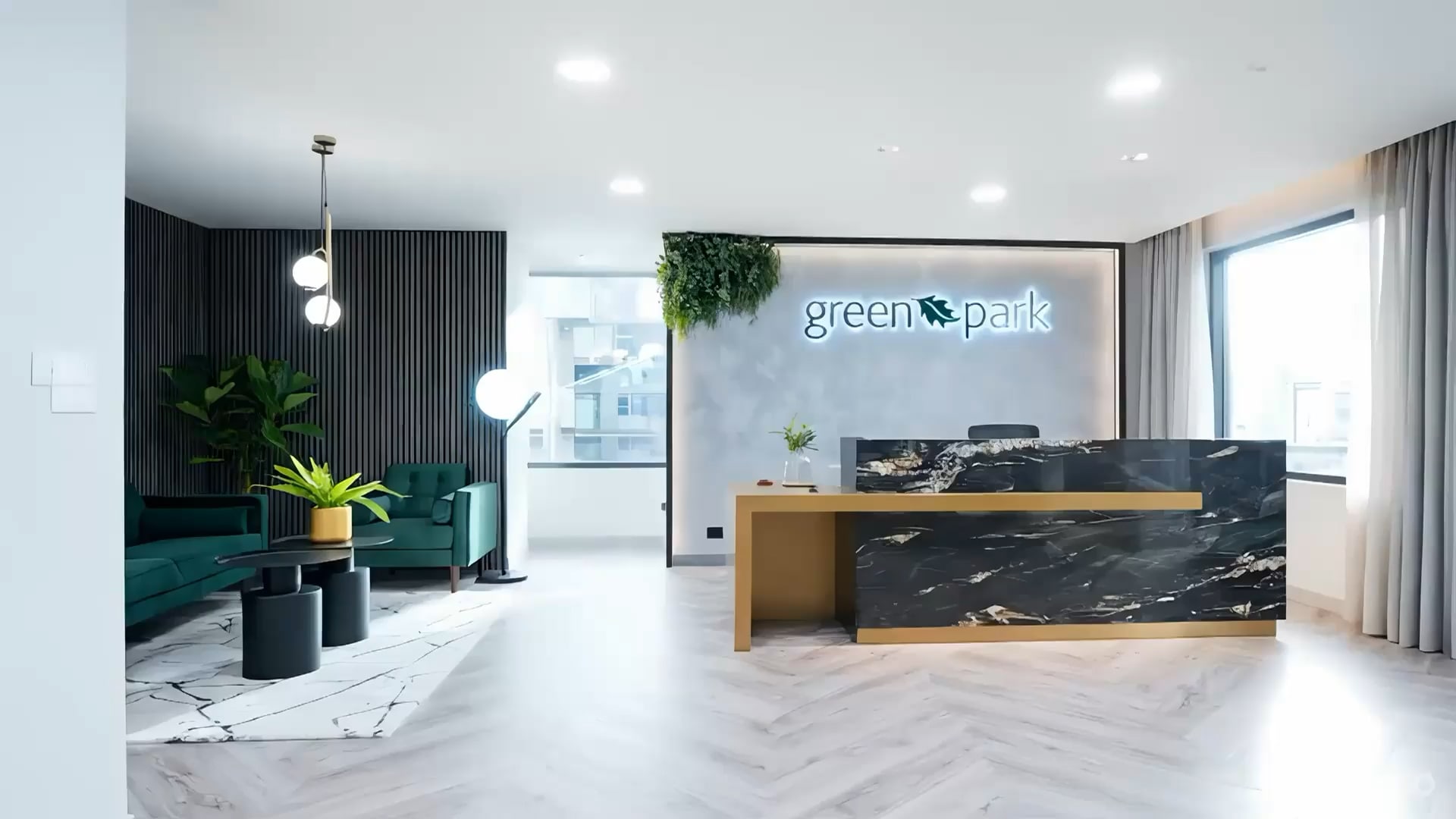
What you will often see in a Cat A package
Common elements include:
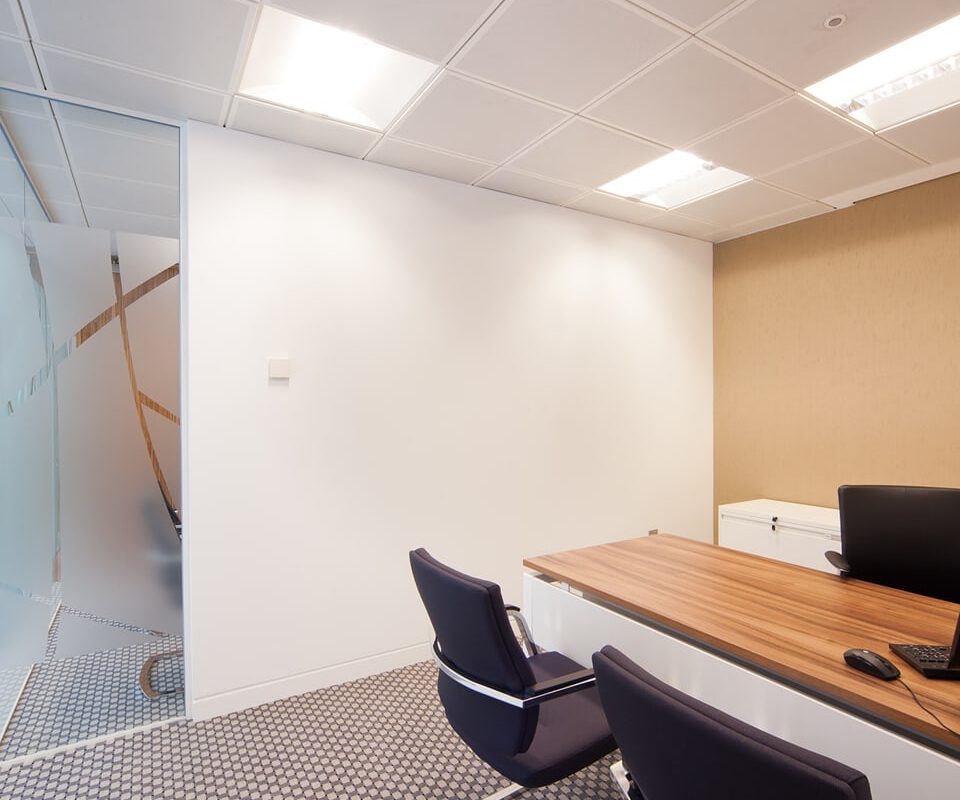
- Raised access floors and suspended ceilings to an agreed zone
- Base building mechanical and electrical distribution suitable for open-plan occupation at a baseline density
- Core toilets and sometimes a basic tea point or kitchen shell
- Base lighting and fire detection to statutory requirements for the shell configuration
- Compliance with building regulations at the shell stage
Quality and completeness vary — two buildings both called “Cat A” are not automatically equivalent.
What Cat A is not
Cat A is generally not your meeting room mix, your branding, your furniture scheme, your IT integration, or your acoustic strategy for focus work. Those belong in Cat B unless a deal explicitly bundles elements differently (sometimes seen in incentive negotiations).
Why Cat A matters for your tenant budget
A strong Cat A with adequate services capacity reduces tenant-side M&E rework. A weak or incomplete Cat A pushes cost and risk into the tenant fit out — sometimes dramatically. When you compare buildings, assess services headroom, base build quality, and landlord technical standards, not only rent.
Questions to ask before you lease
Ask for the landlord’s technical guide, the schedule of existing installations, and clarity on what you must reinstate at lease end. Understanding Cat A versus your intended Cat B avoids budgeting one job and inheriting another.