What delays an office fit out project?
Delays are not inevitable. Most slippage traces back to a handful of causes: decisions that arrive late, approvals that sit in inboxes, materials that were not ordered early enough, or coordination gaps that only show up when trades are on site. The good news is that those causes are foreseeable — and manageable with discipline early.
Here is a straight list of what usually goes wrong, and what experienced teams do to stay ahead of it.
Unclear ownership of decisions
When too many people can reopen settled items — or nobody can sign off — design loops and procurement waits. One accountable client-side lead with authority shortens the chain. Weekly decision logs beat heroic all-hands meetings.
Landlord and building constraints
Permitted hours, noise limits, lift bookings, and shutdowns for fire alarms or HVAC all sit outside your contractor’s control. Build realistic review cycles into the plan. Assume submissions need revision — because they often do.
Scope change after work is underway
Moving a meeting room after containment is in costs more than moving it on plan. Late changes are the silent killer of programmes — not because teams are slow, but because work must be undone and redone in sequence.
Supply chain and long-lead items
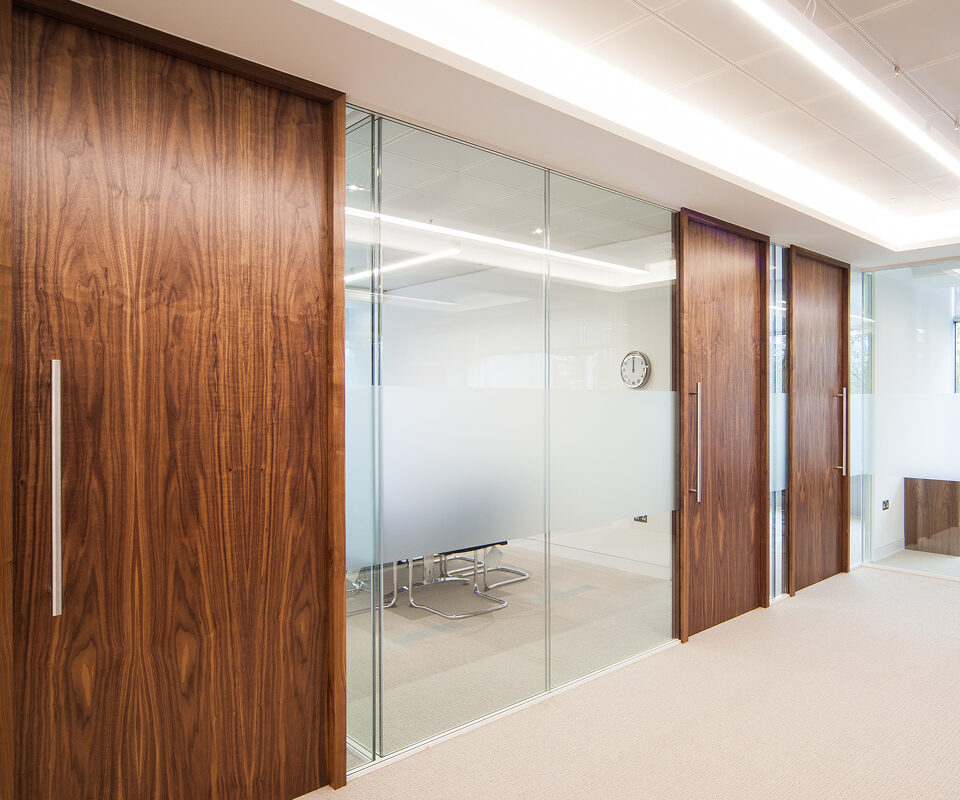
Specialist glazing, bespoke joinery, certain M&E components — if procurement tracks the design rather than the critical path, site waits. Good programmes identify long-lead packages at design stage and place orders with float, not hope.
Poor coordination between trades
Interfaces between packages are where silent slippage appears: ceiling voids packed in the wrong order, M&E routes that clash with structure. BIM coordination and experienced site leadership reduce firefighting.
What good mitigation looks like
Clear milestones, frozen layout gates, a tracked approvals matrix, and contingency time before move-in — not after everything else has slipped. If you want a partner who plans that way from day one, start with a conversation about how your project will be run, not only how it will look.