What affects the cost of an office fit out?
Office fit out costs are not random. They respond to a fairly small set of levers — building, scope, specification, programme, and where you are working. Once you understand those levers, you can decide where to invest, where to keep things simple, and what to challenge when a quote looks out of line.
Below is a plain-English breakdown of what typically moves the number — and why two projects that look similar on paper can price differently in reality.
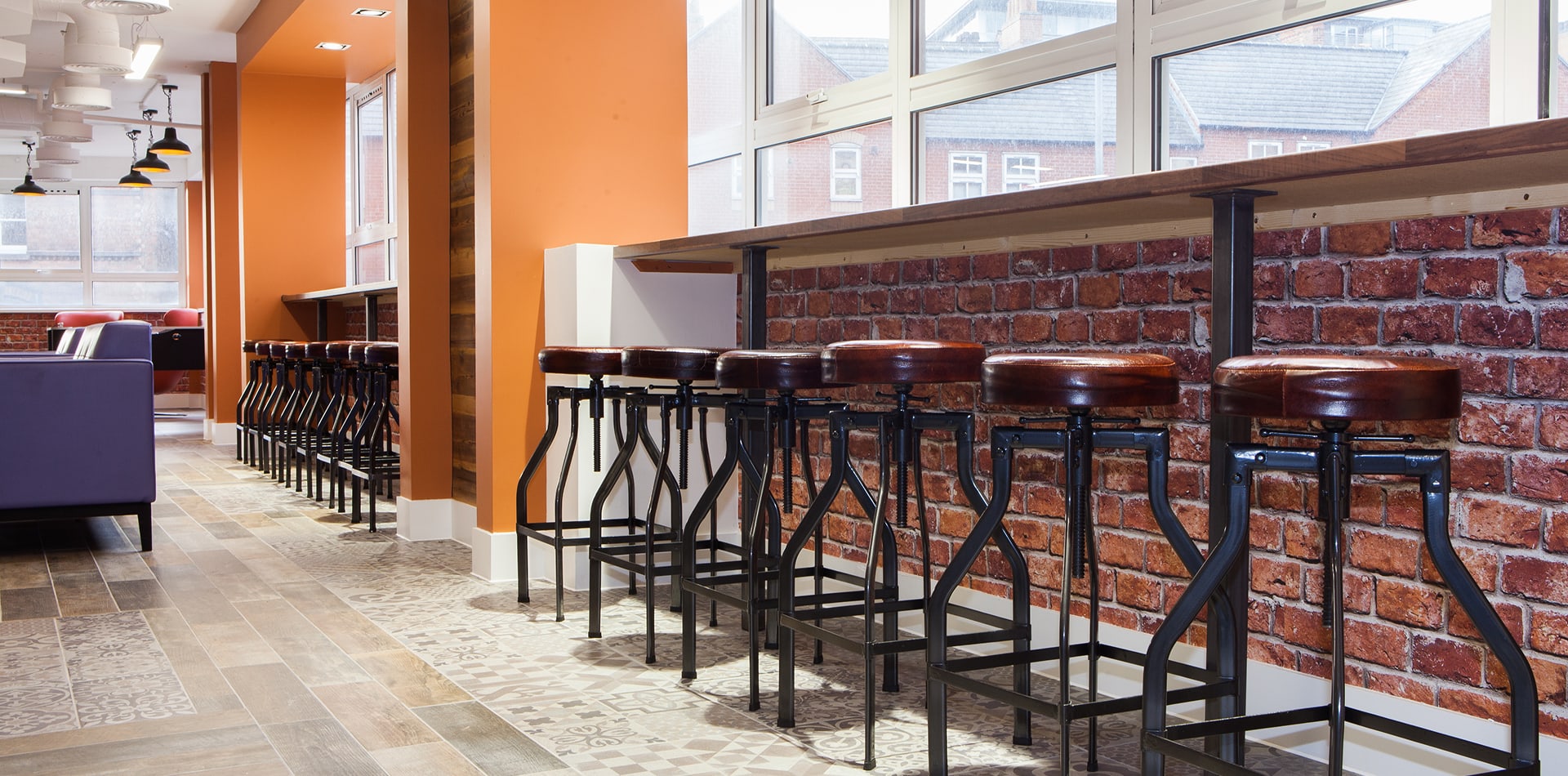
The building and the baseline you inherit
Your starting point matters. A floor that has recently received a good Cat A with adequate services capacity is a different job from tired stock that needs more intervention before your layout can work.
Constraints might include limited ceiling void, restricted floor loading, landlord rules on penetrations, or services that cannot support extra meeting rooms without upgrades. Surveys and early M&E review reduce the risk of expensive rework once you are on site.
Scope: what you are actually building
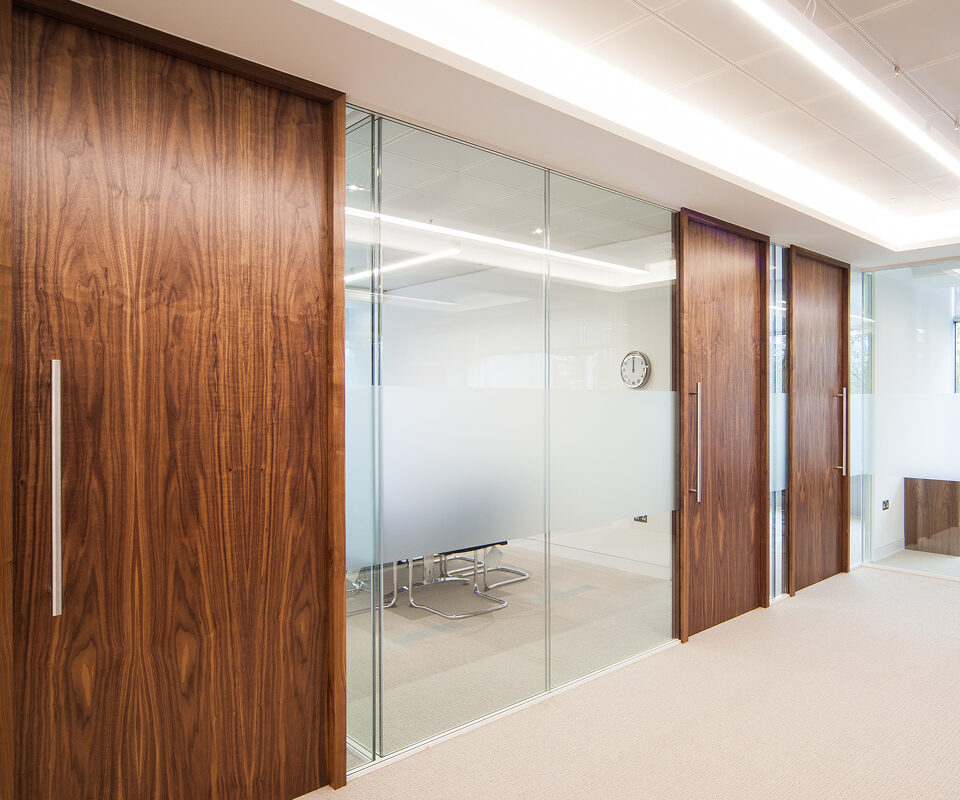
Cost rises with enclosure and services intensity. More cellular offices and meeting rooms mean more partitions, more doors, more acoustic treatment, and more small power. A workplace kitchen with plumbing and ventilation costs more than a simple tea point. Bespoke joinery and feature ceilings add detail time.
None of that is “wrong” — it is a set of choices. The skill is matching the specification to how the space will be used for the next five to ten years, including headcount and hybrid working patterns.
Specification and long-life vs short-life decisions
“High spec” is not one thing. You might invest in durable floor finishes and acoustic ceilings because they affect daily use, while keeping some areas more flexible for change. IT and AV infrastructure often deserves early priority because retrofitting containment after completion is disruptive and expensive.
Phasing — delivering core spaces first and adding later — can help cash flow, but only if the masterplan is coherent so you do not undo work later.
Programme and how time turns into money
Fast programmes can carry premiums: overtime, parallel trades, expedited procurement. Slow programmes can carry cost too — extended prelims, inflation exposure, or overlap rent if you are holding two sites. The right programme matches business deadlines with what is achievable without cutting quality or safety.
Location and logistics
City centre sites with tight access, limited lift windows, or strict hours can take longer to build than suburban floors with easier logistics. That does not always show in a simple £/sq ft benchmark — but it shows in the programme and the preliminaries.
Turning levers into a budget you can use
Strong budgeting aligns scope with a tested estimate, includes sensible contingency for discovery, and separates must-haves from nice-to-haves. If you want to model how finish level and size interact before you commit to a design route, a calculator can help — then validate the output with a team that knows your sector and building type.