The Importance of Lighting in Office Design
Lighting is one of the last things clients think about during a fit out and one of the first things people notice once they’re actually working in the space. Getting it wrong is expensive to fix after the ceiling’s closed up.
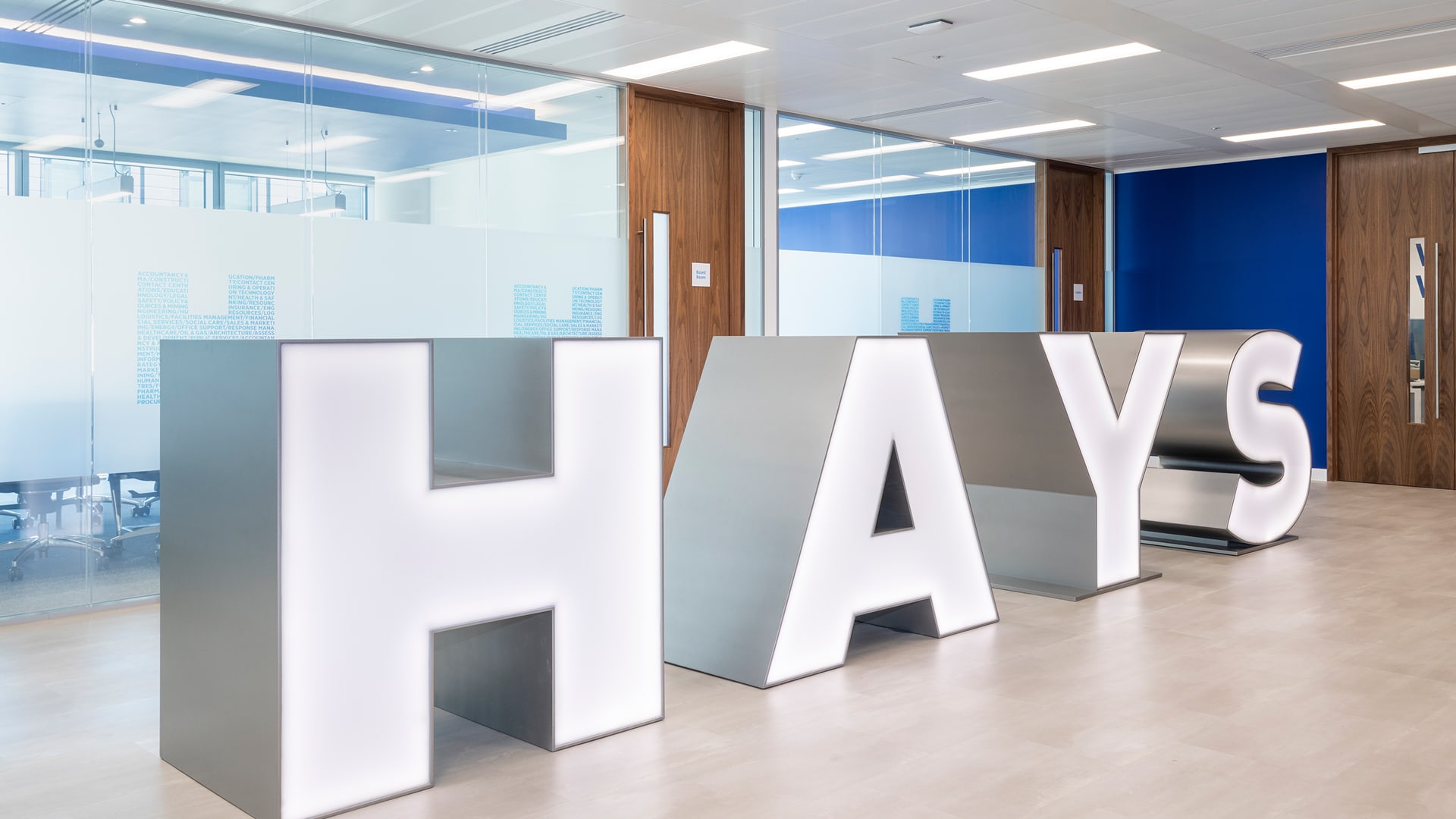
Daylight first
Layout should account for natural light before artificial lighting is even specified — placing focus work and desks where daylight reaches, and reserving darker or windowless areas for functions that need it less, like storage or certain meeting rooms.
Task lighting vs ambient lighting
Uniform overhead lighting alone tends to feel flat and doesn’t suit every task. A mix of ambient lighting for general illumination and task lighting at desks and focus areas creates a more comfortable, adaptable space.
Lighting and wellbeing
Poor lighting is directly linked to eye strain, fatigue and reduced concentration. Colour temperature matters too — lighting that’s too cool and clinical, or too warm and dim, both affect how alert and comfortable people feel through the working day.
Common lighting mistakes in fit outs
The most frequent issues are lighting specified purely on cost rather than function, insufficient task lighting in focus areas, and glare on screens from poorly positioned fittings near workstations. These are cheap to get right at design stage and expensive to retrofit afterward.