Office fit out cost per square foot explained (UK)
Cost per square foot (or per square metre) is a useful shorthand when you are comparing schemes or briefing a board. Used carelessly, it is also one of the fastest ways to misunderstand a project — because the same headline rate can describe very different scopes.
This article explains what UK office fit out rates usually try to capture, what often sits outside them, and the questions that make comparisons fair. If you are evaluating quotes, this is the checklist to use before you decide one number is “cheaper.”
What a “per sq ft” rate is trying to measure
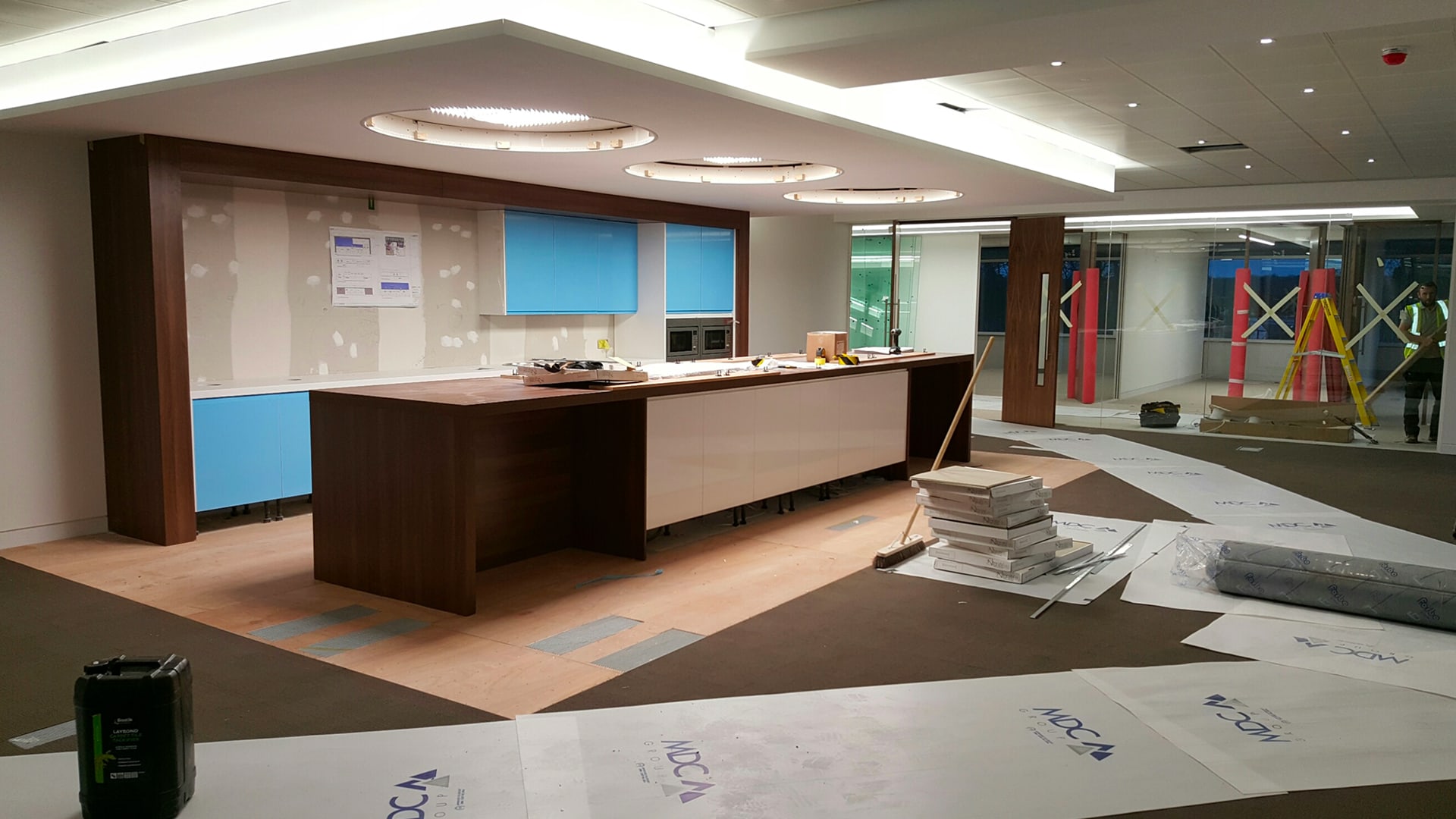
Most benchmark conversations refer to the tenant fit out — the work that turns a lettable floor into your workplace. Depending on who prepared the figure, that might include:
- Partitions, ceilings, and floor finishes to an agreed specification
- Basic power and data distribution to a defined grid
- Standard lighting, with varying levels of design input
- Joinery and signage to a stated standard
Furniture is sometimes included and sometimes listed separately. M&E upgrades beyond a baseline, enhanced acoustics, specialist AV, security integration, or bespoke branding are often phased or optional. If those items matter to you, a headline rate will not tell you the full story until they are captured.
Cat A, Cat B, and why the boundary matters for the rate
Cat A is typically the landlord’s shell: services to an open plan, base finishes, core WCs, life safety to a statutory baseline. Cat B is what makes the space operational for a tenant: layout, meeting rooms, workplace kitchen, furniture, IT integration, and the design layer.
If one quote assumes you are starting from a strong Cat A and another assumes remedial work, the per sq ft number is not describing the same starting point. Always confirm what exists on site and what your lease expects you to leave behind.
Questions that make comparisons fair
Before you compare two rates, align these points:
- Design scope — concept only, or full technical coordination?
- M&E — first and second fix to what standard? Any allowance for containment or BMS?
- Furniture — included, allowance, or excluded?
- Programme — normal hours, or phased / out-of-hours premiums?
- Contingency — is discovery risk included, or called out separately?
Two quotes with the same “per sq ft” headline can be thousands of pounds apart once those items are normalised.
How to use benchmarks without fooling yourself
Benchmarks work best as a sense check, not a substitute for a scoped estimate. Use them to test whether your expectations are in the right band — then invest in a proper review against your building, your brief, and your risk appetite.
If you need a working number before full design, a calculator that lets you adjust size, finish level, and location band is often more informative than a single industry average.