How Workplace Design Impacts Employee Experience
Design decisions that look purely aesthetic — desk spacing, acoustic treatment, natural light — have a direct, measurable effect on how people work and how they feel about coming in. This is especially true now the office is competing with home as a place to actually get things done.
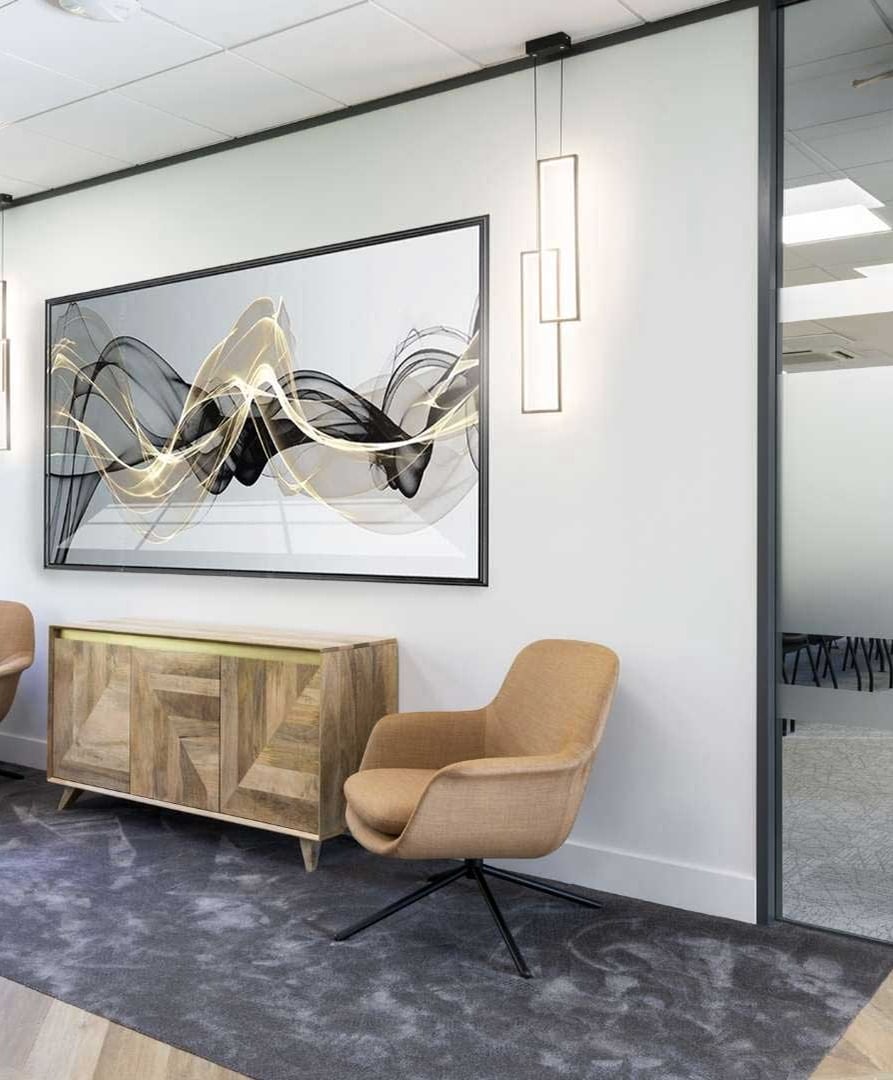
Space shapes behaviour whether you plan it or not
Open-plan space with no acoustic separation pushes people toward headphones and quiet-room hunting rather than genuine collaboration. Poorly planned space doesn’t just look wrong, it actively works against how people need to operate day to day.
Focus, collaboration and choice
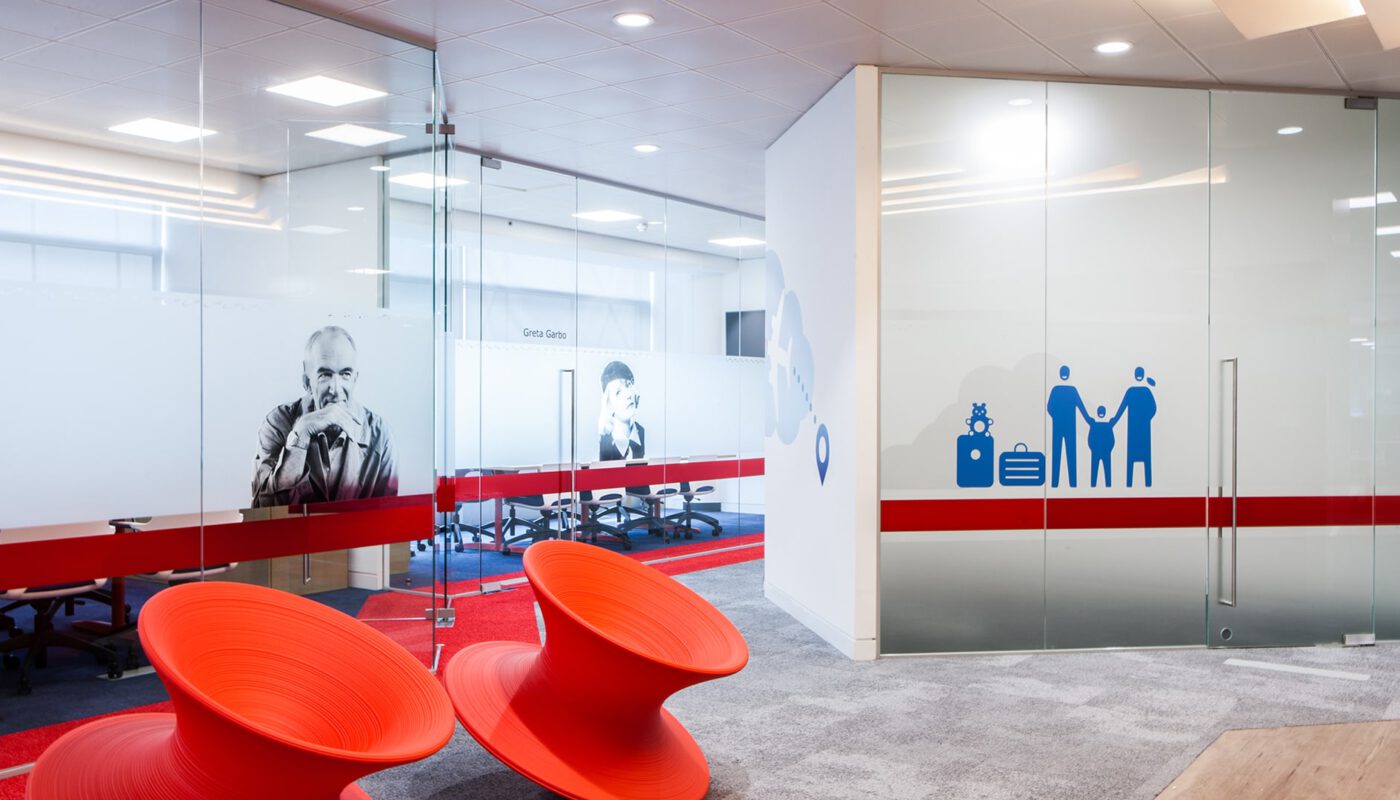
The best-performing workplaces offer a genuine choice of settings — quiet focus space, informal collaboration areas, and formal meeting rooms — rather than one-size-fits-all open plan. Giving people the right setting for the task at hand improves both output and satisfaction.
Wellbeing isn't a mood board
Natural light, air quality, and genuine break-out space have a measurable effect on wellbeing, not just how a space photographs. These are practical design and M&E decisions, not decorative ones, and they’re often the first things compromised when budgets tighten.
Design as a retention tool
When the office genuinely works better than working from home for certain tasks, people choose to come in without being told to. That’s a stronger driver of in-office attendance than any policy, and it starts with the design decisions made at the fit out stage.