How office design impacts productivity and wellbeing
People are not machines. They need variety, recovery, and a sense of control. Office design cannot fix a toxic culture — but it can remove friction that drains productivity every day: noise that makes focus impossible, light that strains eyes, or layouts that force every task into the same kind of space.
This article connects design decisions to outcomes in plain terms — the kind of conversation worth having before you fix a fit out brief.
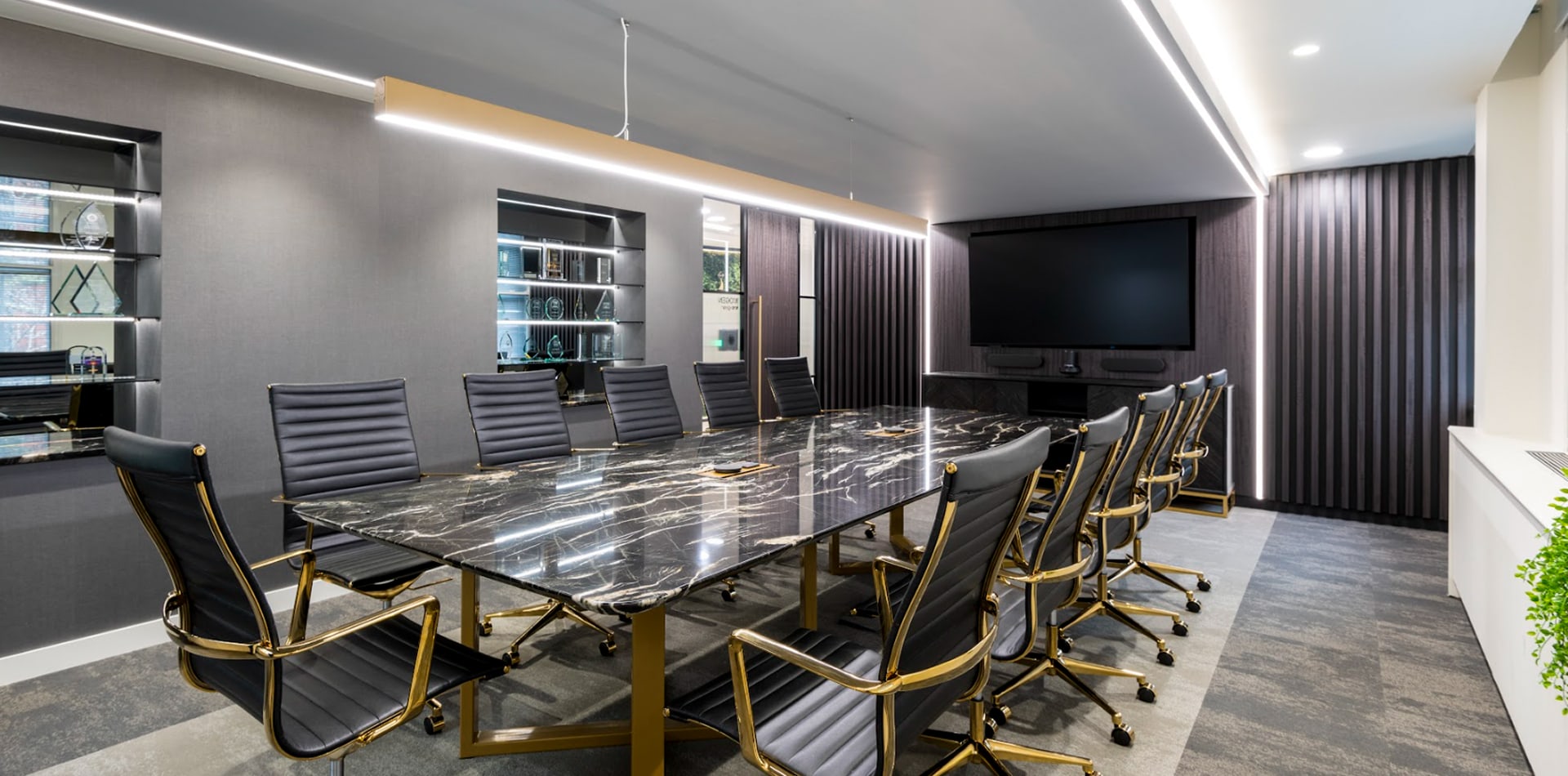
Acoustics and the ability to focus
Open plans work when there are enough enclosed or shielded settings for work that needs quiet. Without that balance, deep work migrates home — or disappears — and the office becomes a place people endure rather than choose.
Acoustic targets should be tied to room use: focus vs collaboration vs confidential conversation.
Light, air, and thermal comfort
Daylight and controllable artificial light reduce fatigue. Ventilation and temperature stability affect how long people can stay effective in a room. These basics are often squeezed by density unless someone advocates for them early in design.
Movement, posture, and variety
Static seated work all day is hard on bodies. A mix of settings — sit/stand, informal meeting, focus rooms — supports different tasks and reduces strain. That variety is also how people recover attention.
Agency and perceived fairness
People respond better when they have predictable ways to book space, find quiet, or meet colleagues. Poor booking systems or overcrowded settings create daily micro-stress — the kind that shows up in engagement scores long before it shows in complaints.
What this means for your fit out brief
Translate wellbeing goals into measurable design criteria: acoustic performance, lighting levels, air quality targets where appropriate, and a clear ratio of focus to collaborative space. Your fit out partner should translate those into specifications — not slogans.