Designing Meeting Rooms That Actually Work
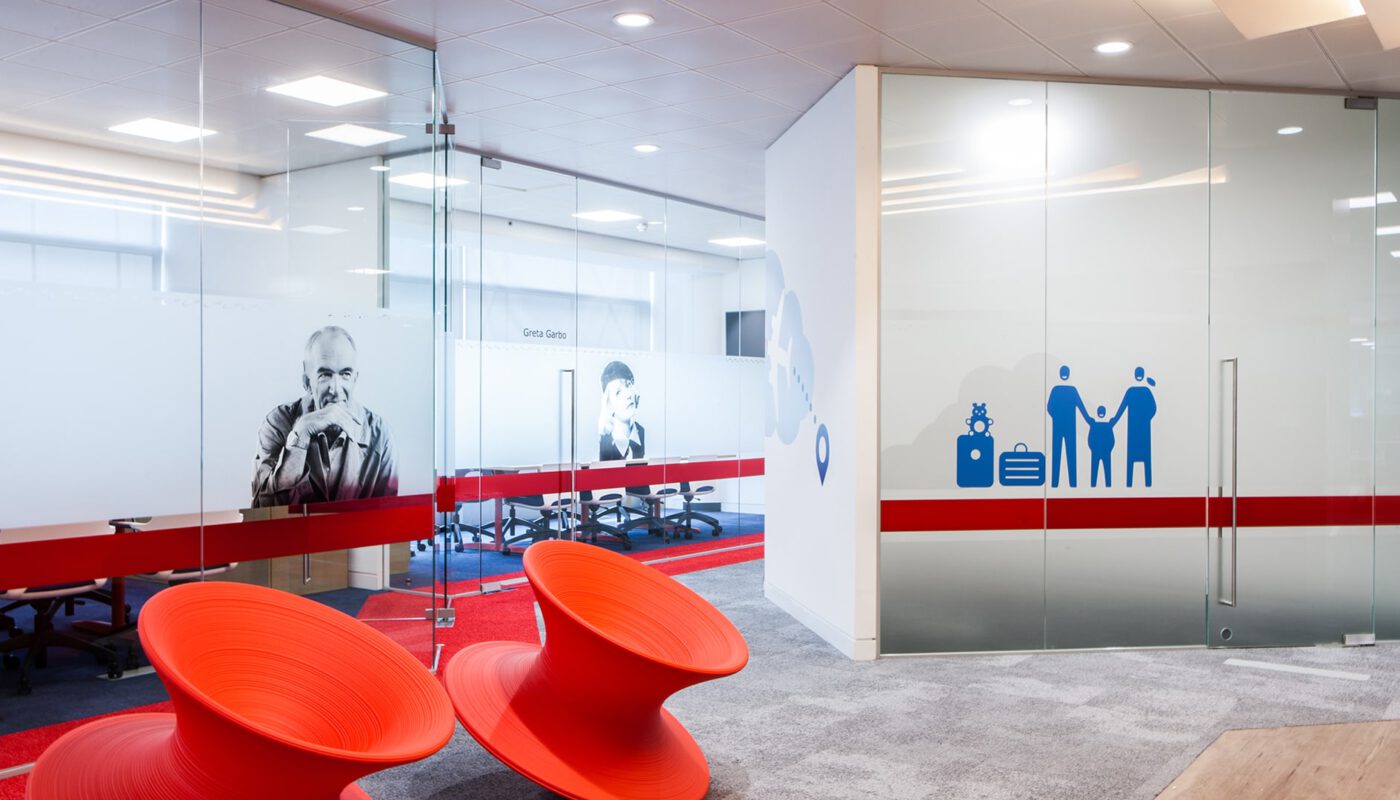
Meeting rooms are some of the most heavily used and most frequently badly designed spaces in an office. Getting them right has an outsized effect on daily working life.
Size and layout for how the room is actually used
Match room sizes to how they’re genuinely used — a mix of small huddle spaces for quick conversations and fewer, larger rooms for bigger meetings, rather than a uniform set of mid-sized rooms that don’t quite fit either use case well.
AV that includes remote participants properly
Camera placement, microphone coverage and screen positioning need to genuinely include remote participants, not just technically connect them. Poorly considered AV is one of the most common daily frustrations in hybrid meeting rooms.
Acoustics and privacy
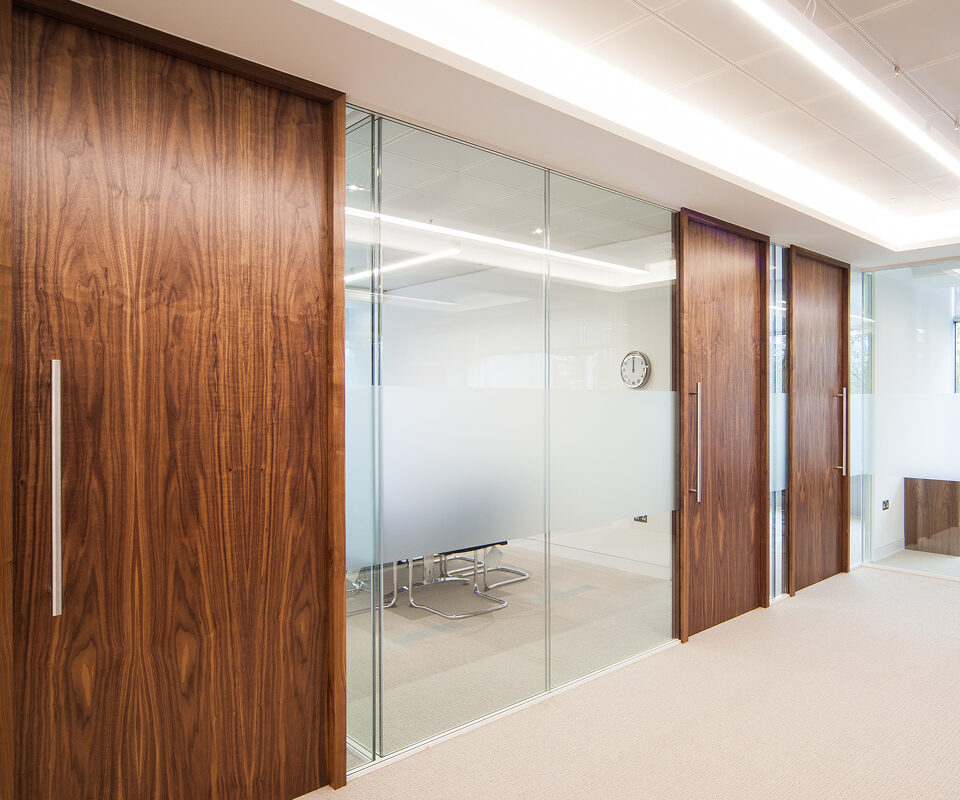
Sound isolation between meeting rooms and the wider office matters for both privacy and general noise management, and it’s a design and construction decision made at fit out stage, not something easily fixed afterward.
Booking and access in practice
A meeting room only works if it’s genuinely available when needed. Booking systems, glass-wall visibility to see availability at a glance, and clear policies on no-show cancellations all affect whether rooms function well day to day.