Creating Flexible Office Spaces
“Flexible” gets used loosely in workplace design, often meaning little more than movable furniture. Genuine flexibility is a set of specific, deliberate decisions made at the fit out stage.

What flexibility actually means in practice
Real flexibility means the space can accommodate a different headcount, a different team structure, or a different working pattern without a full re-fit. That’s a design and infrastructure decision, not just a furniture choice.
Furniture and layout choices that support it
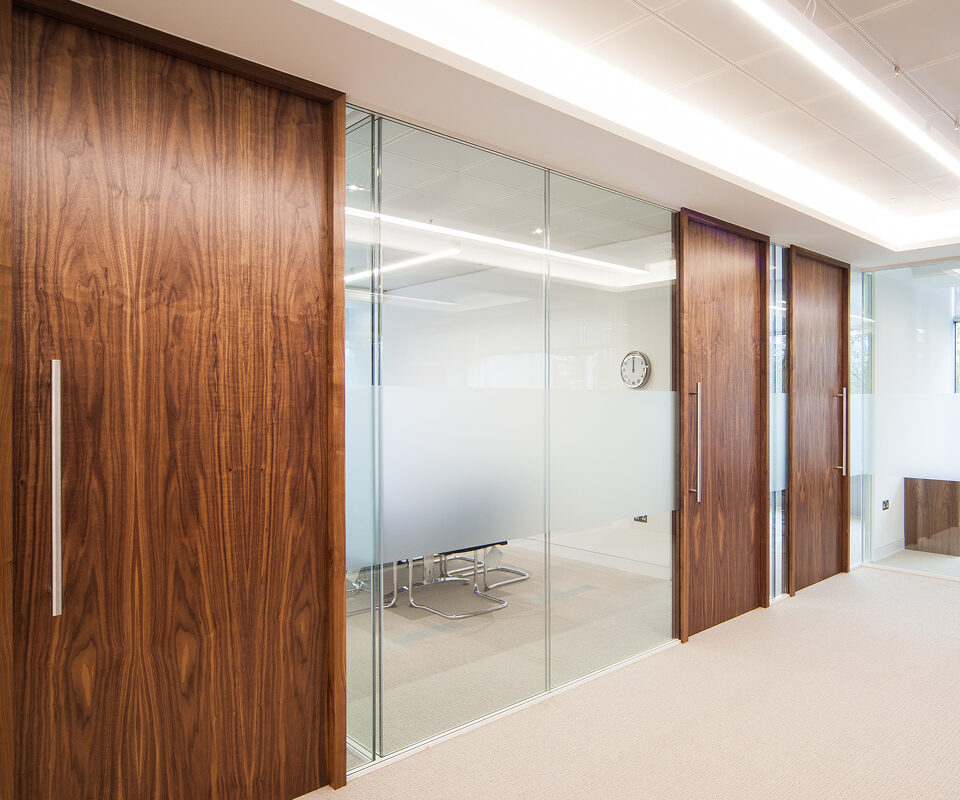
Modular furniture systems, demountable partitioning, and layouts not overly reliant on fixed joinery all support genuine reconfiguration later, at a modest upfront premium over fixed alternatives.
Infrastructure that enables change
Power and data provision planned with headroom, rather than exactly matching current need, is what actually allows a layout to change later without ripping out ceilings or floors to add capacity.
Flexibility has a cost — know where to spend it
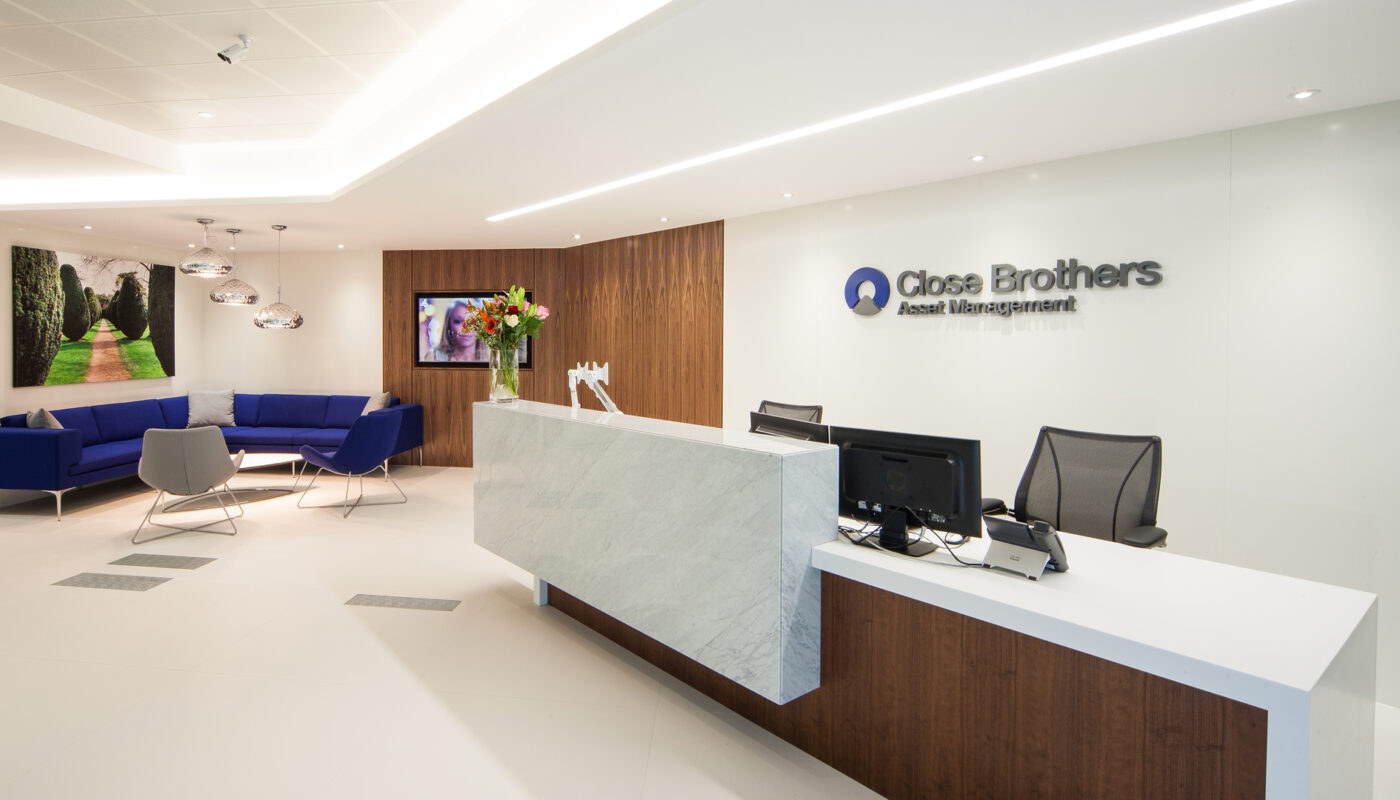
Not every part of a fit out needs to be maximally flexible. It’s worth being deliberate about where genuine flexibility earns its cost (core infrastructure, shared spaces) versus where a fixed, optimised solution is the better investment (a reception area, for example).