Cat A vs Cat B fit out: cost differences explained
Cat A and Cat B are labels the UK office market uses to describe different levels of finish and responsibility. They are not rigid legal standards — exact packages vary by landlord and building — but understanding the distinction is essential for budgeting, lease negotiations, and knowing what you are comparing when someone quotes a “per sq ft” figure.
This article explains what each layer typically covers, how cost tends to split between them, and why the boundary between landlord works and tenant works matters for your total cost of occupation.
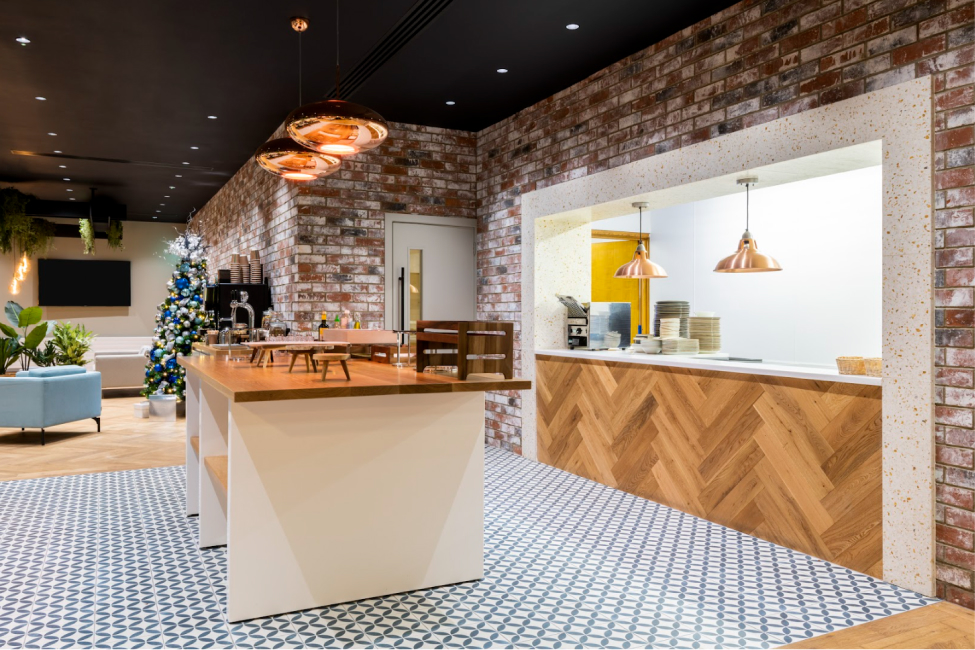
What Cat A usually includes
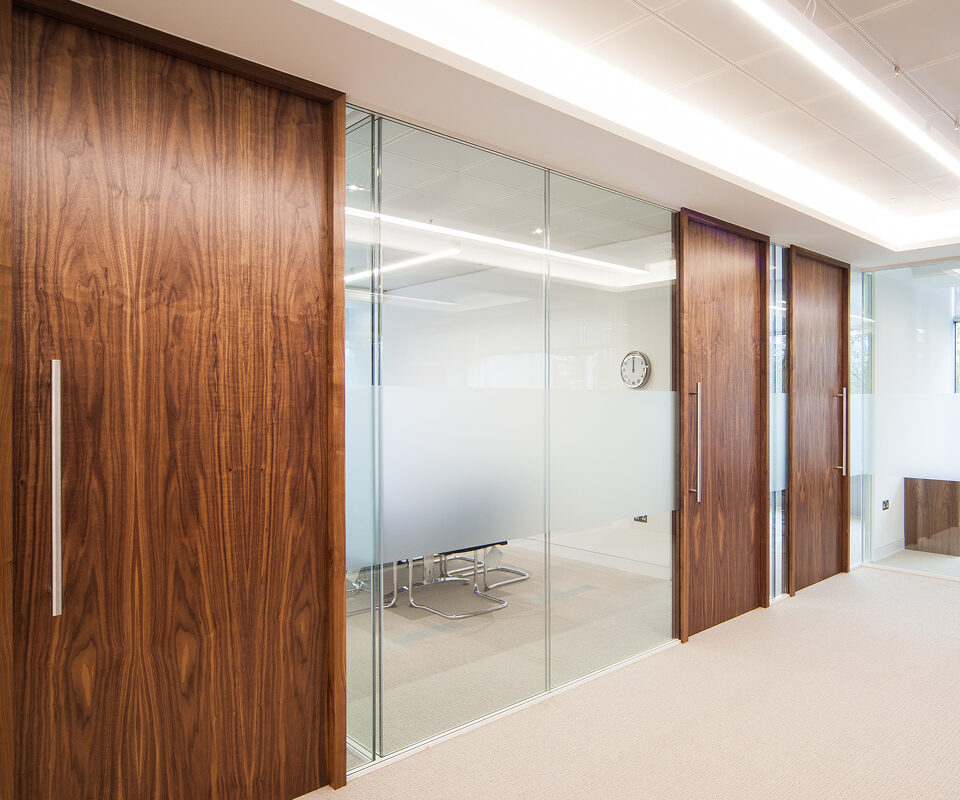
Cat A is generally the landlord’s package to make a floor lettable: a compliant shell that a tenant can adapt. Common ingredients include:
- Raised floors and suspended ceilings (to an agreed zone or grid)
- Base lighting and air handling to an open-plan arrangement
- Core WCs and sometimes a basic kitchen or tea point shell
- Fire and life safety systems to a statutory baseline for occupation once completed
It is usually not a finished workplace for a specific occupier — more a neutral platform.
What Cat B usually includes
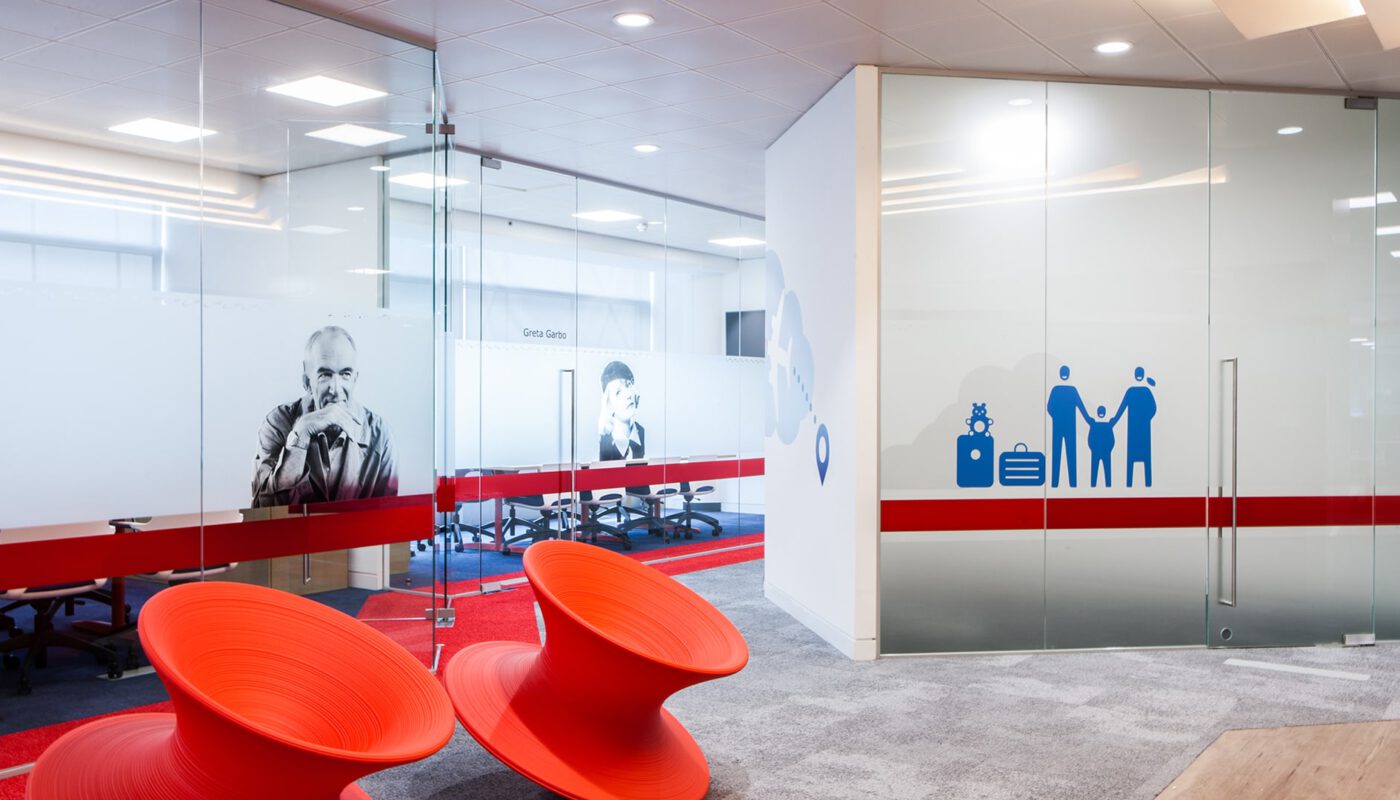
Cat B is the tenant fit out: the layer that reflects your headcount, culture, hybrid policy, and client-facing needs. Typical elements include zoning and partitions, meeting and collaboration settings, workplace kitchens, enhanced M&E to suit the layout, floor and ceiling treatments, lighting design, power and data to workpoints, furniture, branding, and signage.
This is where cost variability is highest — because it is tied to your brief, not a generic standard.
Why cost sits in different places for Cat A vs Cat B
Landlords recover Cat A investment through rent and incentives over time. Tenants fund Cat B from capex or amortised allowances, depending on the deal. Incentive packages sometimes include a contribution to the tenant’s fit out, a rent-free period, or a combination — but the total cost of occupancy (rent + fit out + dilapidations risk) is what matters for comparison, not any single line.
Where “grey” scope causes budget surprises
Disputes often arise at interfaces: who upgrades the cooling if your meeting room count increases heat load? Who pays for secondary containment for IT? Who owns landlord approvals and testing? The schedule of works and the lease schedule should answer those questions — if they do not, clarify them before you fix a budget.
How to compare deals on a like-for-like basis
When you compare buildings, look at Cat A quality, services capacity, and the ease of delivering your Cat B — not only headline rent. A higher rent with a stronger base build and sensible incentives can be cheaper over the lease term than a low rent that requires expensive remediation or rework.
If you are modelling tenant-side cost, use a structured approach: size, location, finish level, and then sense-check against comparable projects.